
Contact Us
Sweet spot
The New “Normal”: Understanding the Targets
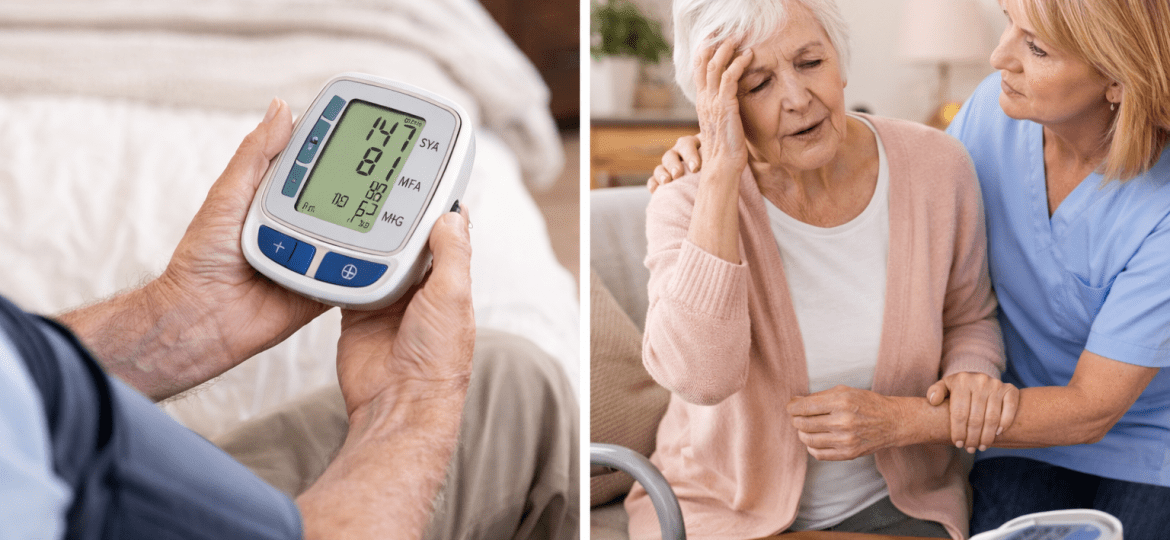
In Scotland, clinical guidelines generally suggest that for those over 80 (and often those over 75 with frailty), a target of 150/90 mmHg is acceptable when measured by a clinician. However, if your loved one is monitoring at home, we often look for a reading closer to 145/85 mmHg.
- Systolic (Top Number): The pressure when the heart pumps.
- Diastolic (Bottom Number): The pressure when the heart rests.
Expert Note: In older age, the top number often rises while the bottom number stays low. This “widening” is due to natural changes in the arteries, but it still needs professional monitoring.
“White Coat Syndrome”: When the Nurse Arrives
It is incredibly common for a senior’s blood pressure to spike simply because a healthcare professional has walked through the door. This is “White Coat Syndrome”—a stress response that can lead to an artificially high reading.
5 Tips to Overcome Measurement Anxiety
- The 5-Minute Rule: Ensure your loved one sits quietly in a comfortable chair for five minutes before the cuff is applied. No tea, no talking.
- Feet Flat on the Floor: Crossing legs can temporarily increase blood pressure by up to 10 mmHg.
- The “Home Average”: Keep a diary of home readings. A week of calm home readings is far more valuable to a GP than one high reading in a clinic.
- Empty the Bladder: A full bladder can add a significant “stress” spike to a blood pressure reading.
- Distraction-Free Zone: Turn off the television and ensure the room is a comfortable temperature; being too cold can constrict blood vessels.

5 Common Myths About Blood Pressure in Seniors
Families often share their concerns with us during visits. Here are five myths we frequently debunk:
| Myth | The Reality |
| “High blood pressure is just a normal part of getting old.” | While arteries stiffen with age, consistently high pressure still increases stroke risk and should be managed. |
| “If I feel fine, my blood pressure must be fine.” | Hypertension is a “silent” condition. You cannot “feel” your blood pressure; only a monitor can tell the truth. |
| “Cutting out all salt will fix it instantly.” | Reducing salt helps, but in the over-75s, blood pressure is often managed through a combination of activity, hydration, and medication. |
| “Lower is always better.” | Not in seniors. If blood pressure is too low, it causes “postural hypotension” (dizziness when standing), which is a leading cause of hip fractures. |
| “I can stop my meds once the numbers are normal.” | The numbers are normal because of the medication. Stopping abruptly can cause a dangerous “rebound” spike. |
If you feel that 1st Focus Homecare is a company you can trust, please contact our office on 0131 510 7878, where we can discuss your care needs. If we can help you or your loved one, we can arrange to meet you in person at your home to assess your care needs. Once an agreement is in place with you privately or via the local council, we will build you a care and support plan and agree on a start date.

7 Tips to Maintain Healthy Blood Pressure
Managing blood pressure at home doesn’t have to be clinical. Small, consistent habits make the biggest difference:
- Hydration is Key: Dehydration is a common cause of erratic blood pressure in Scotland’s elderly. Aim for 6–8 glasses of fluid a day.
- The “Slow Rise”: Encourage your loved one to sit on the edge of the bed for a minute before standing up to prevent dizzy spells.
- Sodium Awareness: Swap salt for herbs or lemon juice. Be wary of tinned soups, which are often high in sodium.
- Gentle Movement: A short daily walk or even seated “chair aerobics” helps maintain vascular flexibility.
- Medication Consistency: Use a “Dosette” box or blister pack to ensure blood pressure tablets are taken at the same time every day.
- Monitor Alcohol Intake: Stick within the recommended 14 units a week; excess alcohol can interfere with the effectiveness of medication.
- Proper Cuff Size: Ensure your home monitor has a “Large” cuff if needed. An ill-fitting cuff will give an inaccurate, frighteningly high reading.
When to Act: Red Flags for Families
If you notice any of the following, contact your GP or NHS 24 (111) immediately:
- Sudden, severe headaches.
- New confusion or blurred vision.
- Chest pain or shortness of breath.
- A sudden drop in pressure accompanied by a fall.
Supporting Your Loved One at Home
Monitoring health needs while balancing your own life can be challenging. If you feel your family member needs a professional eye to help manage their wellbeing, 1st Focus Home Care is here to help. Our trusted carers provide more than just assistance; they offer peace of mind, supporting seniors with varied care needs—from medication reminders to ensuring they stay active and hydrated.
Feel free to read the other useful guides on our website, and if you have questions, we are just a quick call away. Our office number is 0131 510 7878


Monitoring Blood Pressure with Ongoing Support at Home
For adults over 75, keeping blood pressure within a healthy range often requires more than occasional GP visits. Regular monitoring, medication reminders, a balanced diet, and gentle daily activity all play a role in maintaining stability. When these tasks become difficult to manage alone, families may begin to consider more consistent support. Professional live in care in Edinburgh provides reassurance that health routines are followed carefully, with a dedicated carer helping to monitor symptoms, support medication adherence, and encourage heart-healthy habits. This level of personalised, round-the-clock care allows older adults to remain safely at home while maintaining greater control over their wellbeing.
1st Focus Homecare Newsletter
Join our newsletter to keep up to date with all the news related to elderly care in Edinburgh. Our newsletter is sent out weekly and contains news and tips on healthy living and healthy eating for the elderly.
We have a great library of posts that are shared on our news page with helpful tips for individuals and families who are looking for homecare in Edinburgh.