
📋 TL;DR
Blood pressure naturally changes as we age, so there is no single “normal” reading for everyone over 75. While maintaining healthy blood pressure remains important, treatment should always consider your overall health, medications and risk of falls rather than focusing on numbers alone. Regular monitoring, a healthy lifestyle and speaking to your GP about any concerns can help reduce the risk of stroke, heart disease and other complications. If you or a loved one need support managing medications, attending appointments or maintaining a healthy routine, 1st Focus Homecare can help you stay safe and independent at home.

💙 Your Loved One Is More Than a Blood Pressure Reading
Learning about healthy blood pressure is an excellent first step, but it is only one aspect of staying healthy and independent in later life. Older adults often face a combination of challenges, including medication management, nutrition, mobility, falls, memory changes, hydration, loneliness and long-term health conditions. Looking at the bigger picture can make a significant difference to overall wellbeing.
If you’re beginning to wonder whether a parent, partner or another family member could benefit from extra support, speaking to an experienced care professional can provide reassurance and practical guidance. Every family’s circumstances are different, and sometimes a simple conversation is all that’s needed to understand the options available.
Book a free, no-obligation Discovery Call with 1st Focus Homecare. We’ll take the time to understand your situation, answer your questions and explain how personalised home care can help your loved one remain safe, comfortable and independent in their own home.
Sweet spot
The New “Normal”: Understanding the Targets
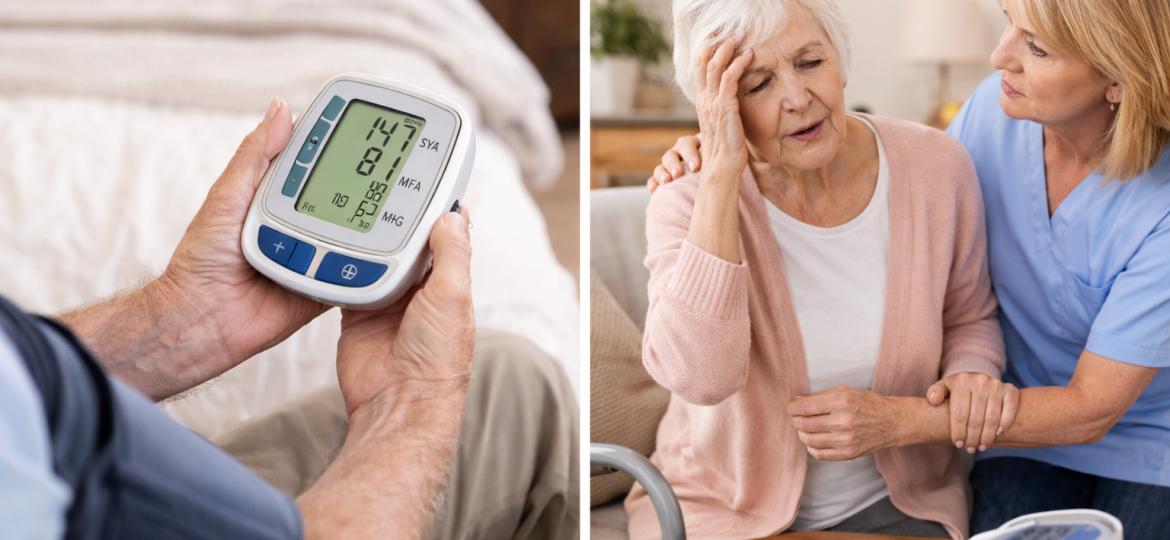
In Scotland, clinical guidelines generally suggest that for those over 80 (and often those over 75 with frailty), a target of 150/90 mmHg is acceptable when measured by a clinician. However, if your loved one is monitoring at home, we often look for a reading closer to 145/85 mmHg.
- Systolic (Top Number): The pressure when the heart pumps.
- Diastolic (Bottom Number): The pressure when the heart rests.
Expert Note: In older age, the top number often rises while the bottom number stays low. This “widening” is due to natural changes in the arteries, but it still needs professional monitoring.
“White Coat Syndrome”: When the Nurse Arrives
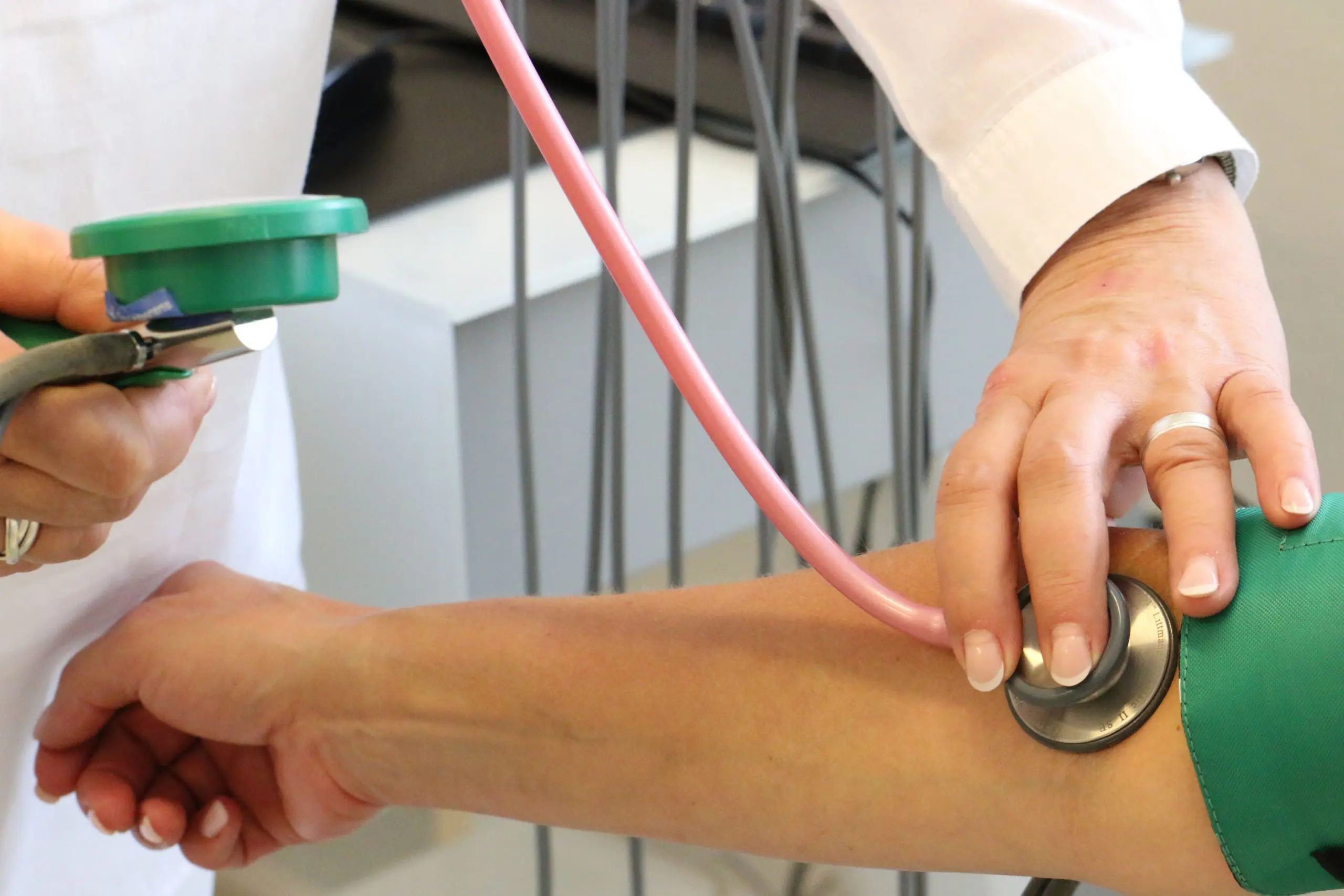
It is incredibly common for a senior’s blood pressure to spike simply because a healthcare professional has walked through the door. This is “White Coat Syndrome”—a stress response that can lead to an artificially high reading.
5 Tips to Overcome Measurement Anxiety
- The 5-Minute Rule: Ensure your loved one sits quietly in a comfortable chair for five minutes before the cuff is applied. No tea, no talking.
- Feet Flat on the Floor: Crossing legs can temporarily increase blood pressure by up to 10 mmHg.
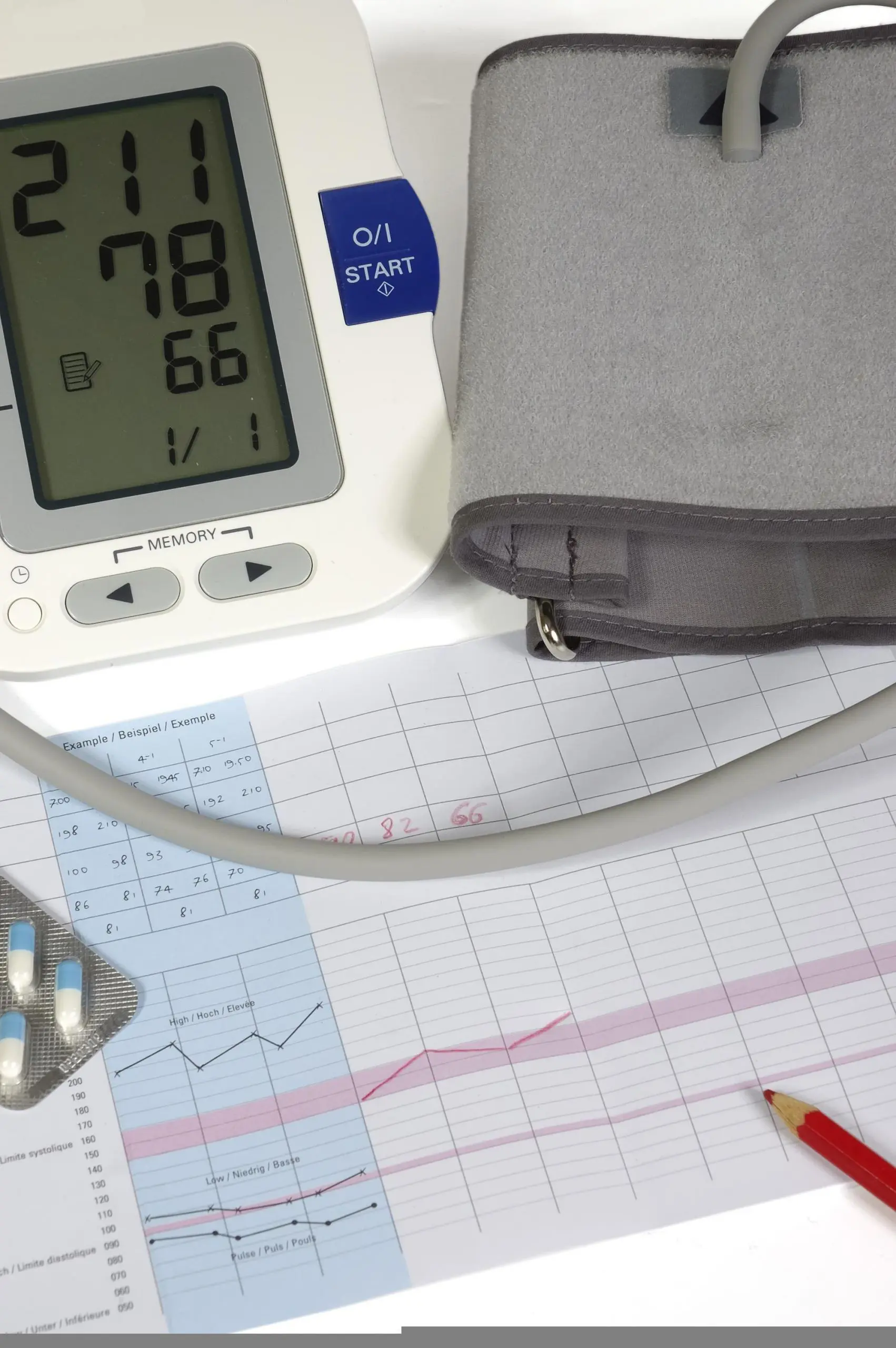
- The “Home Average”: Keep a diary of home readings. A week of calm home readings is far more valuable to a GP than one high reading in a clinic.
- Empty the Bladder: A full bladder can add a significant “stress” spike to a blood pressure reading.
- Distraction-Free Zone: Turn off the television and ensure the room is a comfortable temperature; being too cold can constrict blood vessels.
5 Common Myths About Blood Pressure in Seniors
Families often share their concerns with us during visits. Here are five myths we frequently debunk:
| Myth | The Reality |
| “High blood pressure is just a normal part of getting old.” | While arteries stiffen with age, consistently high pressure still increases stroke risk and should be managed. |
| “If I feel fine, my blood pressure must be fine.” | Hypertension is a “silent” condition. You cannot “feel” your blood pressure; only a monitor can tell the truth. |
| “Cutting out all salt will fix it instantly.” | Reducing salt helps, but in the over-75s, blood pressure is often managed through a combination of activity, hydration, and medication. |
| “Lower is always better.” | Not in seniors. If blood pressure is too low, it causes “postural hypotension” (dizziness when standing), which is a leading cause of hip fractures. |
| “I can stop my meds once the numbers are normal.” | The numbers are normal because of the medication. Stopping abruptly can cause a dangerous “rebound” spike. |
If you’ve been researching blood pressure because you’re concerned about an ageing parent, partner or another loved one, it’s important to remember that blood pressure is only one part of the bigger picture. Mobility, medication management, nutrition, hydration, memory and overall wellbeing all play a vital role in helping someone remain safe and independent at home. Book a free Discovery Call with 1st Focus Homecare to discuss your situation with one of our experienced care professionals. We’ll answer your questions, explain the care options available and help you understand what support may be appropriate for your loved one—all with no obligation to proceed.

7 Tips to Maintain Healthy Blood Pressure
Managing blood pressure at home doesn’t have to be clinical. Small, consistent habits make the biggest difference:
- Hydration is Key: Dehydration is a common cause of erratic blood pressure in Scotland’s elderly. Aim for 6–8 glasses of fluid a day.
- The “Slow Rise”: Encourage your loved one to sit on the edge of the bed for a minute before standing up to prevent dizzy spells.
- Sodium Awareness: Swap salt for herbs or lemon juice. Be wary of tinned soups, which are often high in sodium.
- Gentle Movement: A short daily walk or even seated “chair aerobics” helps maintain vascular flexibility.
- Medication Consistency: Use a “Dosette” box or blister pack to ensure blood pressure tablets are taken at the same time every day.
- Monitor Alcohol Intake: Stick within the recommended 14 units a week; excess alcohol can interfere with the effectiveness of medication.
- Proper Cuff Size: Ensure your home monitor has a “Large” cuff if needed. An ill-fitting cuff will give an inaccurate, frighteningly high reading.
When to Act: Red Flags for Families
If you notice any of the following, contact your GP or NHS 24 (111) immediately:
- Sudden, severe headaches.
- New confusion or blurred vision.
- Chest pain or shortness of breath.
- A sudden drop in pressure accompanied by a fall.
Supporting Your Loved One at Home
Monitoring health needs while balancing your own life can be challenging. If you feel your family member needs a professional eye to help manage their wellbeing, 1st Focus Home Care is here to help. Our trusted carers provide more than just assistance; they offer peace of mind, supporting seniors with varied care needs—from medication reminders to ensuring they stay active and hydrated.
Feel free to read the other useful guides on our website, and if you have questions, we are just a quick call away. Our office number is 0131 510 7878

Monitoring Blood Pressure with Ongoing Support at Home
For adults over 75, keeping blood pressure within a healthy range often requires more than occasional GP visits. Regular monitoring, medication reminders, a balanced diet, and gentle daily activity all play a role in maintaining stability. When these tasks become difficult to manage alone, families may begin to consider more consistent support. Professional live in care in Edinburgh provides reassurance that health routines are followed carefully, with a dedicated carer helping to monitor symptoms, support medication adherence, and encourage heart-healthy habits. This level of personalised, round-the-clock care allows older adults to remain safely at home while maintaining greater control over their wellbeing.
Final Thoughts
Understanding what is considered a healthy blood pressure after the age of 75 is an important step towards protecting long-term health, but it is only one part of supporting someone to live well in later life. Every older adult is different, and factors such as mobility, medication management, nutrition, hydration, memory, existing medical conditions and overall lifestyle all influence their wellbeing.
If you’re concerned about an ageing parent, partner or another loved one, it’s natural to have questions. You may be wondering whether they’re managing their medication correctly, eating and drinking enough, staying active, or coping safely at home. Looking at the bigger picture often provides a clearer understanding of the support they may need to remain independent and enjoy the best possible quality of life.
At 1st Focus Homecare, we understand that every family’s circumstances are unique. That’s why we offer a free, no-obligation Discovery Call. During this friendly conversation, we’ll listen to your concerns, answer your questions and explain the care options available. Whether you’re planning ahead or looking for support now, we’ll help you make informed decisions with confidence.