

Contact Us
BOWEL PROBLEMS
Maintaining independence is a top priority for most seniors living at home in Edinburgh. However, we have seen how hidden bowel issues can quietly erode that independence.
When a parent experiences discomfort, accidents, or chronic irregularity, it does not just affect their physical health — it affects their confidence to leave the house or socialise.
The good news is that bowel problems are rarely “just a part of ageing.” With the right proactive steps, families can help their loved ones stay comfortable, dignified, and safe in their own homes.
Why Digestive Health Changes as We Age
Understanding the “why” is the first step in providing warm, empathetic support. When a parent lives independently, they may not always realise that their routine is contributing to their discomfort.
The Role of “Hidden” Dehydration
As we age, our bodies become less efficient at signalling thirst. For a senior living alone, it is easy to forget to drink enough water.
When the colon does not have enough hydration, it draws water from waste, leading to hard, painful stools that are difficult to pass.
Medication Side Effects (Polypharmacy)
Many seniors take a variety of medications for blood pressure, heart health, arthritis, or pain relief.
- Calcium Channel Blockers: Often used for hypertension, these can slow the gut.
- NSAIDs: Over-the-counter pain relievers can irritate the stomach lining.
- Iron Supplements: Frequently prescribed for anaemia, these are a leading cause of constipation.
- Opioid analgesia: For example Codeine, Morphine Sulphate, or Co-Codamol can also cause constipation and, in many cases, should be accompanied by a suitable laxative.
The Impact of Home Layout and Mobility
If a parent finds it difficult or painful to get up from their favourite chair or navigate a hallway, they may delay going to the bathroom.
This delay can lead to a “lazy bowel,” where the body stops sending strong signals that it is time to go, eventually causing chronic issues.


7 Red Flags Families Need to Watch For
Because bowel health can be an embarrassing topic, your loved one might not tell you they are struggling. Here are seven signs that suggest they may need some extra support:
- Sudden Confusion or Irritability:
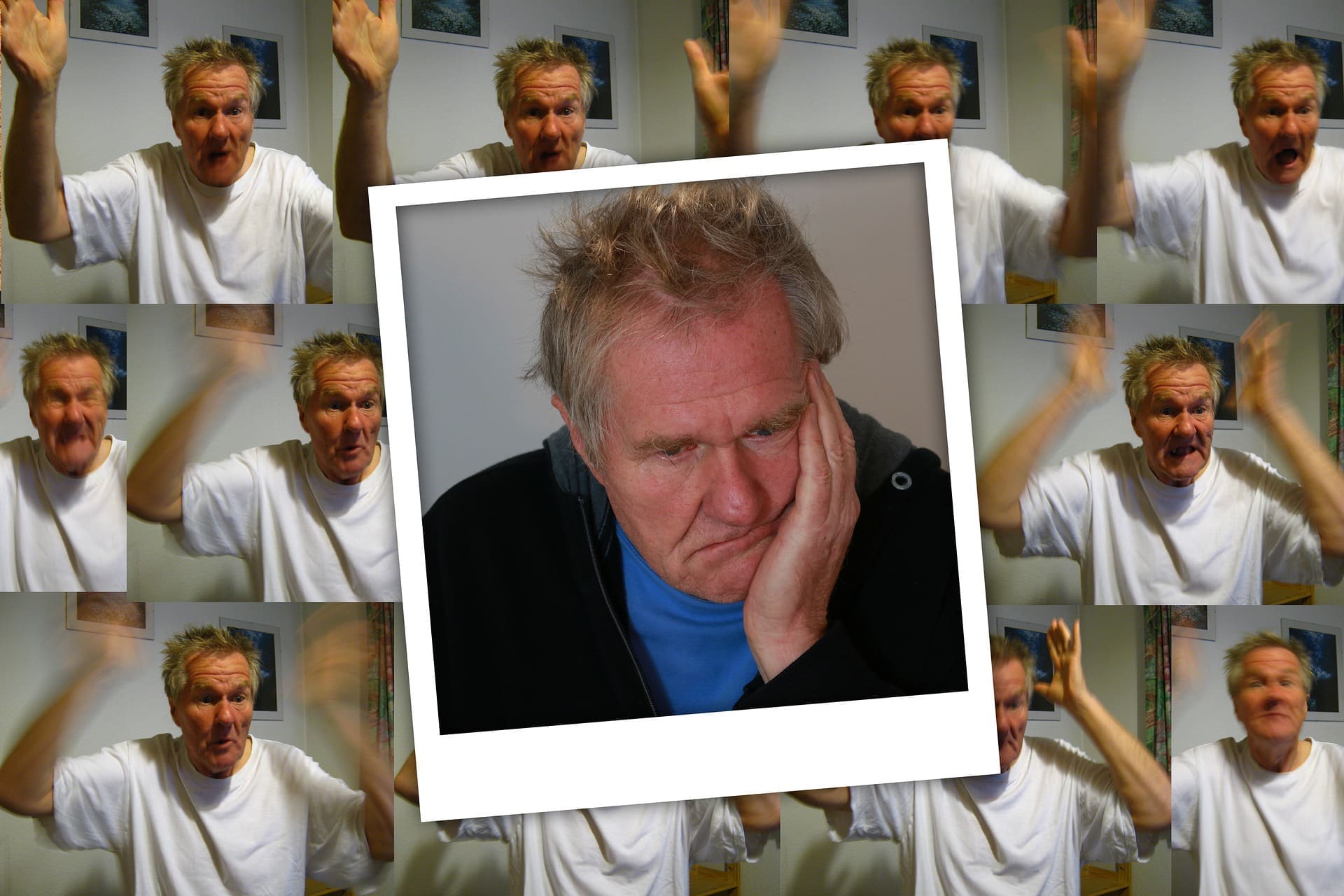
In the elderly, severe constipation can lead to “faecal delirium,” where the discomfort causes genuine mental distress or confusion. - Loss of Appetite:
If a parent is “picking at their food” or claims they are always full, it may be because their digestive system is backed up. - Excessive Use of Laxatives:
Check the medicine cabinet. Over-reliance on stimulant laxatives can actually make the bowel “dependent,” worsening the problem over time. - Soiling or “Smearing” on Clothes:
This is often not a loss of control, but “overflow incontinence” caused by liquid stool leaking around a hard blockage. - Straining During Bowel Movements:
Look for signs of exhaustion after bathroom visits. Straining can cause blood pressure to drop significantly, which may lead to fainting (syncope) episodes. - Changes in Stool Appearance:
Watch for stools that are very dark or tarry, or that have become consistently pencil-thin. - Reduced Physical Activity:
If they are sitting more than usual, it may be due to abdominal bloating or fear of an accident.
If you feel that 1st Focus Homecare is a company you can trust, please contact our office on 0131 510 7878, where we can discuss your care needs. If we can help you or your loved one, we can arrange to meet you in person at your home to assess your care needs. Once an agreement is in place with you privately or via the local council, we will build you a care and support plan and agree on a start date.

Proactive Management: Tools for the Home
Helping a parent manage their bowel health at home is about small, consistent adjustments. Here is a checklist of action points to help them stay on track:
Diet and Hydration Support
- The “Natural Laxative” Approach:
Instead of chemicals, try a daily serving of stewed prunes or high-fibre kiwi fruit. - Visual Hydration Cues:
Use a marked water bottle or a colourful carafe on the kitchen table to remind them to sip throughout the day.
Bathroom Accessibility
- Raise the Seat:
Installing a raised toilet seat can make the “sit-to-stand” motion much easier, encouraging them to use the bathroom as soon as they feel the urge. - Footstools:
Using a small stool to elevate the feet while sitting on the toilet places the body in a natural squatting position, helping the bowel empty more easily.
Activity and Routine
- The 30-Minute Rule:
Encourage your parent to try for a bowel movement about 30 minutes after breakfast. This utilises the “gastrocolic reflex,” the body’s natural urge to move the bowels after eating.
How Professional Support Can Help
Discussing toileting and personal hygiene can be a sensitive bridge to cross for family members. Sometimes, a parent feels more comfortable receiving this type of intimate care from a professional rather than their own children.
If you find that your loved one is struggling to maintain their hygiene or is becoming fearful of bathroom “accidents,” it may be time to consider professional assistance.
1st Focus Homecare is a trusted in-home care service in Edinburgh with vital experience in supporting seniors with these exact needs. Their team understands the importance of dignity and can provide discreet, expert help with toileting and personal hygiene, ensuring your parent can remain in the home they love with the respect they deserve.

1st Focus Homecare Newsletter
Join our newsletter to keep up to date with all the news related to elderly care in Edinburgh. Our newsletter is sent out weekly and contains news and tips on healthy living and healthy eating for the elderly.
We have a great library of posts that are shared on our news page with helpful tips for individuals and families who are looking for homecare in Edinburgh.